Florida is a dream location for many art collectors. Bright light, coastal living, modern architecture, and vibrant cultural scenes make it an attractive place to live and collect. But Florida’s climate creates very real risks for artwork, especially when it comes to moisture, humidity, and mold.
If you collect paintings, prints, sculptures, or mixed-media art in Florida, understanding how the environment affects your collection is not optional. It is essential.
Florida’s Climate and Why It Matters for Art
Florida has a subtropical to tropical climate. That means:
High humidity most of the year
Frequent rain and storms
Warm temperatures, even indoors if climate control fails
Relative humidity above 60 percent creates ideal conditions for mold growth. Many Florida homes regularly exceed that level without constant air conditioning and dehumidification.
Art materials are sensitive. Canvas, paper, wood frames, adhesives, and even some metals absorb moisture from the air. Once moisture is present, mold spores only need time.
How Mold Damages Artwork
Mold damage is not always dramatic at first. In many cases, it starts quietly.
Common signs include:
Faint spotting on canvas or paper
Musty or earthy odors near artwork
Warping of frames or backing boards
Discoloration that appears under glass
Once mold establishes itself, it feeds on organic materials in the artwork. Paper fibers, canvas sizing, wooden stretcher bars, and dust on surfaces all become food sources.
More importantly, mold damage is often permanent. Cleaning artwork incorrectly can spread spores or cause irreversible surface damage.
Why Florida Homes Are Especially Vulnerable
Even well-built homes in Florida face moisture challenges.
Common risk factors include:
AC systems cycling on and off, allowing humidity spikes
Poor ventilation in older homes or condos
Coastal air carrying salt and moisture indoors
Storm-related leaks that go unnoticed behind walls
Artwork placed on exterior walls, in rooms with limited airflow, or near windows is especially vulnerable.
Vacation homes are another major risk. When climate control is reduced while the home is empty, humidity levels can rise quickly, creating perfect conditions for mold growth.
Safe Art Collecting Practices in Florida
If you collect art in Florida, prevention is your strongest defense.
Best practices include:
Keep indoor humidity between 45 and 55 percent
Use standalone dehumidifiers in addition to AC
Avoid hanging art directly on exterior walls
Ensure airflow behind large framed pieces
Use archival materials and spacers when framing
Regularly inspect artwork, especially during summer months
Storage matters too. Closets, garages, and storage units without climate control are high-risk environments for art.
The Role of Mold Inspections for Art Collectors
Many art collectors only discover mold after visible damage appears. At that point, restoration options are limited and expensive.
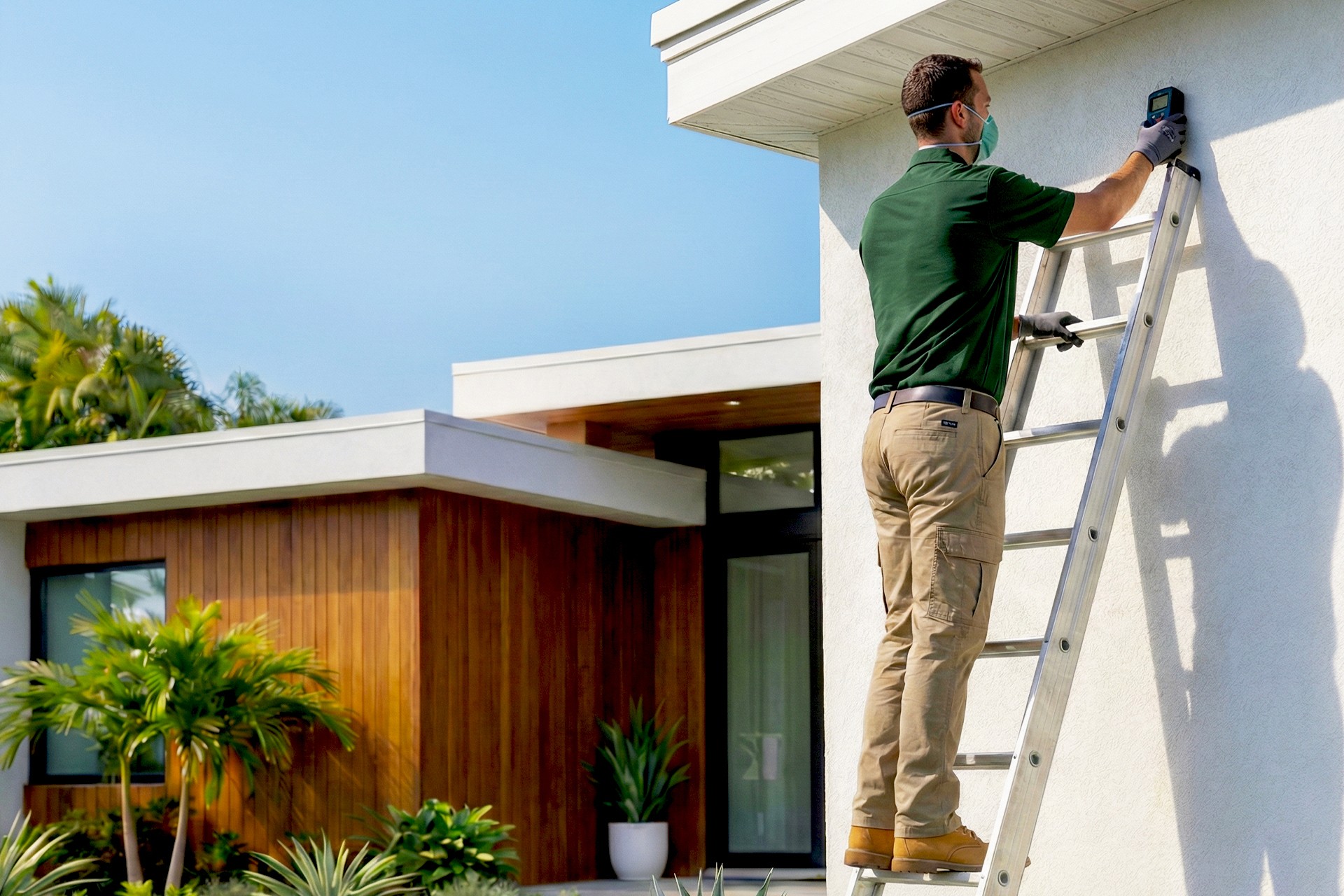
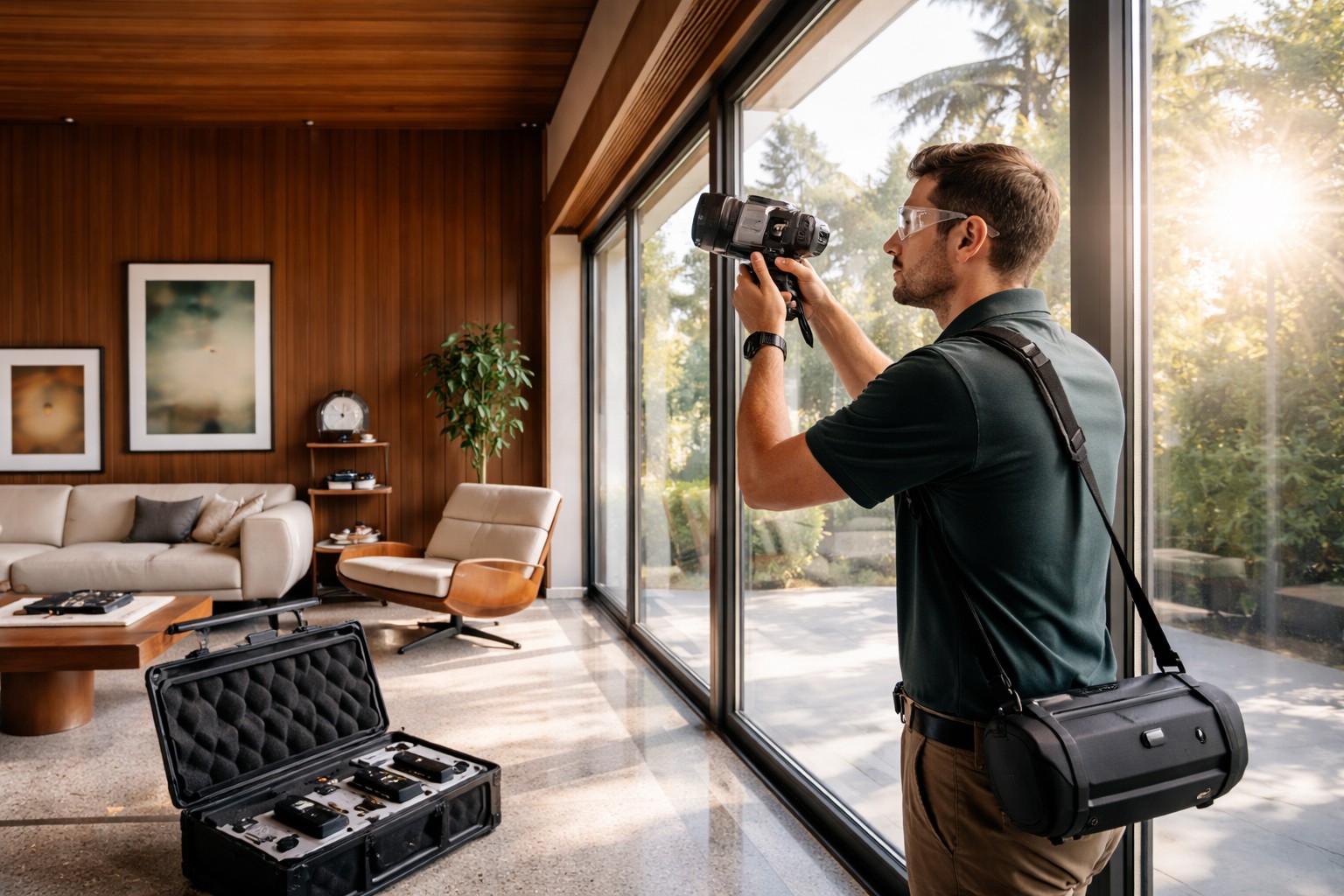
A professional mold inspection helps by:
Identifying elevated humidity and hidden moisture sources
Detecting airborne mold spores before visible growth
Assessing whether mold elsewhere in the home threatens artwork
Providing documentation for insurance or conservation decisions
For high-value collections, periodic inspections are a smart preventive investment, not an emergency reaction.
Protecting Both Your Home and Your Collection
Art does not exist in isolation. If mold is present in walls, HVAC systems, or hidden cavities, it will eventually affect everything inside the home, including artwork.
Protecting your collection means protecting the building itself. In Florida’s climate, mold prevention is not about fear. It is about realism. Moisture is constant, and mold is opportunistic.
With proper climate control, regular inspections, and informed placement of artwork, collecting art in Florida can be both safe and rewarding. If you value your collection, treat mold prevention as part of responsible ownership, not an afterthought.