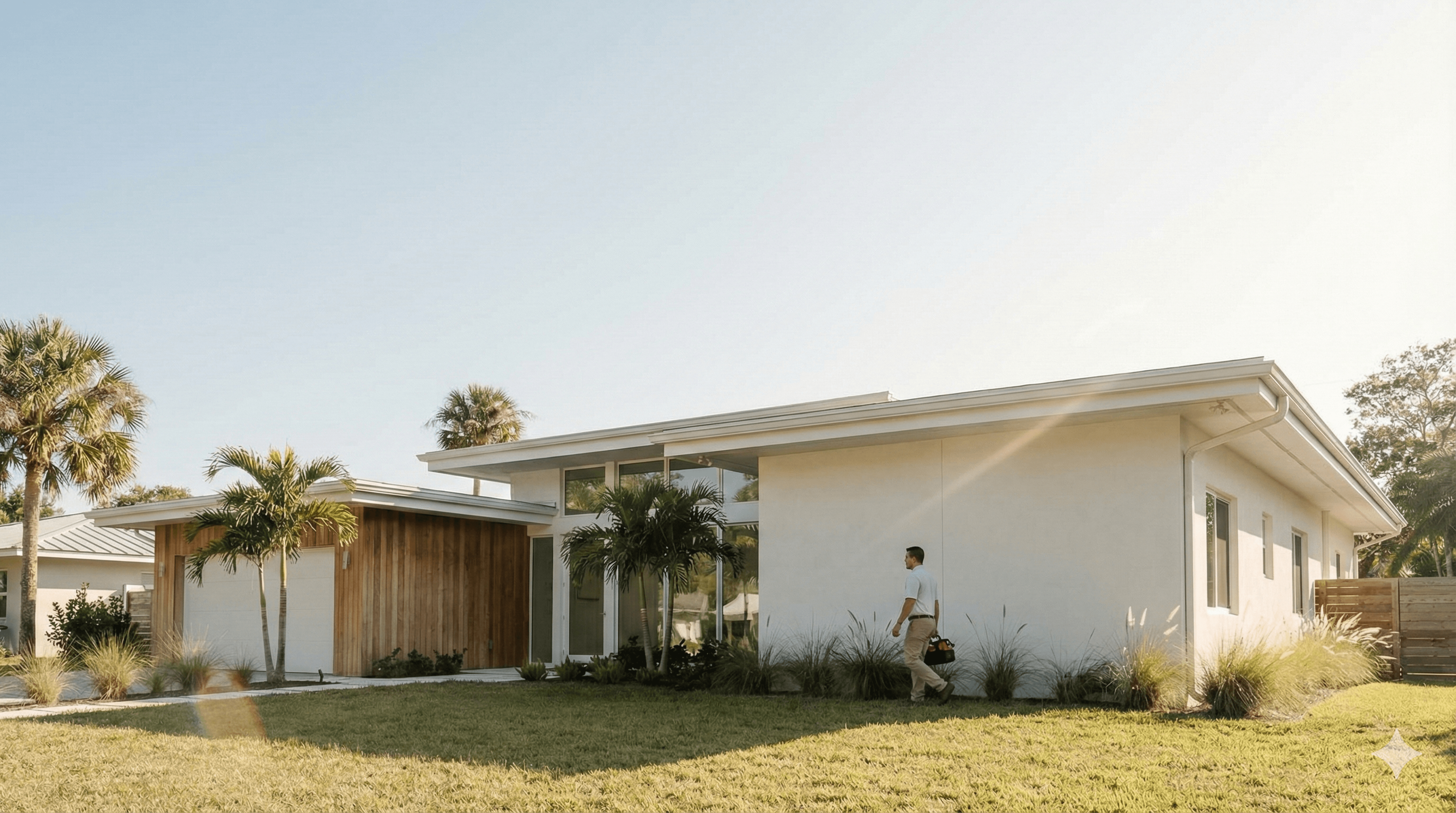
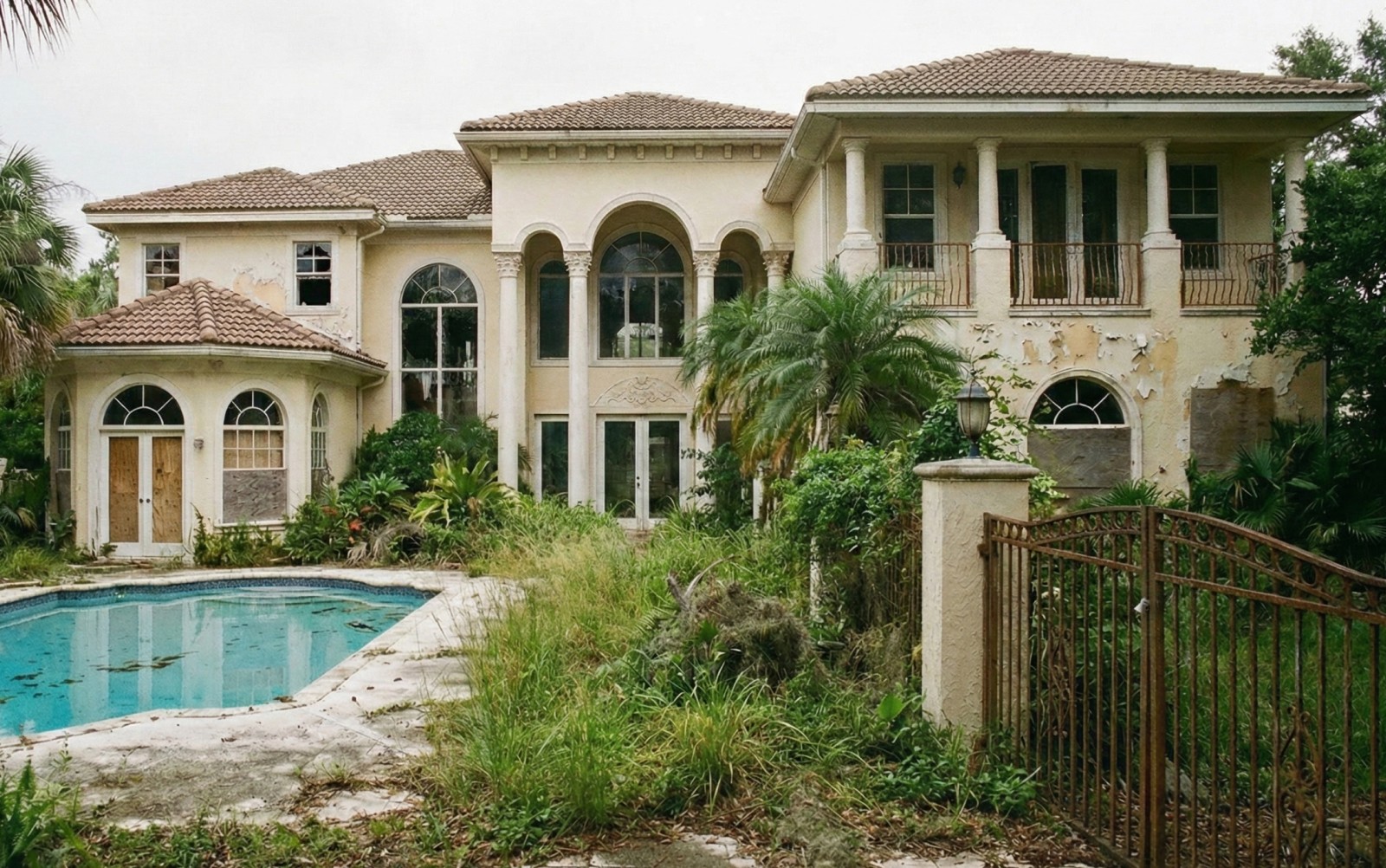
Empty homes in Florida may look perfectly fine from the outside, but inside they often provide the ideal environment for mold. Vacation homes, seasonal residences, and properties left unoccupied for long periods are among the most common places where mold problems quietly develop.
If you own property in Florida, this is not a rare scenario. It is a predictable one.
Empty Does Not Mean Dry
When a house is empty, climate control is usually reduced. Air conditioning is turned off or set much higher, windows remain closed, and airflow is minimal. In Florida’s humid climate, this allows moisture to build up indoors even when there is no visible water damage.
Humidity from the outdoor air slowly accumulates inside the home. Over time, walls, furniture, and building materials absorb that moisture. Once indoor humidity remains elevated, mold growth becomes a matter of time rather than chance.
Air Conditioning Controls Moisture, Not Just Temperature
Air conditioning in Florida does more than cool the air. It removes moisture. When the system is not running consistently, humidity remains trapped inside the home.
Many empty houses feel warm but not wet. This creates a false sense of safety. Mold does not need standing water or leaks. It thrives in warm, humid conditions that go unnoticed for weeks or months, which is exactly what happens in unoccupied homes.
Mold Thrives on Inactivity
Occupied homes have natural protection against mold. People move air, notice odors, hear dripping sounds, and react quickly when something feels wrong.
Empty homes do not have this protection. Small problems like a slow pipe leak, roof intrusion, or AC condensation issue can persist without interruption. Mold growth continues without being disturbed, allowing it to spread deeper into walls, ceilings, and HVAC systems before anyone realizes there is a problem.
Vacation Homes Face Higher Risk
Seasonal and vacation homes are especially vulnerable to mold. These properties often sit empty during the most humid months of the year. Air conditioning is reduced to save energy, inspections are infrequent, and moisture builds silently.
Even high-end homes are not immune. Materials commonly found in luxury interiors, such as wood, paper-backed drywall, fabrics, and art, are highly susceptible to mold when humidity is not controlled.
Hidden Mold Is the Real Problem
In empty homes, mold rarely starts in obvious places. It often develops behind walls, under flooring, inside air handlers, or behind furniture placed against exterior walls.
Because no one is present to notice early warning signs, mold can grow extensively before it becomes visible or produces a strong odor. At that stage, cleanup is more complex, more expensive, and more disruptive.
Prevention Requires Ongoing Management
Protecting an empty home in Florida requires active management. Keeping the air conditioning running, maintaining proper humidity levels, and using dehumidifiers significantly reduce risk, but they do not eliminate it completely.
Storms, power outages, and mechanical failures can still introduce moisture. Without someone present, these events can quickly create conditions that allow mold to take hold.
Why Mold Inspections Matter for Empty Homes
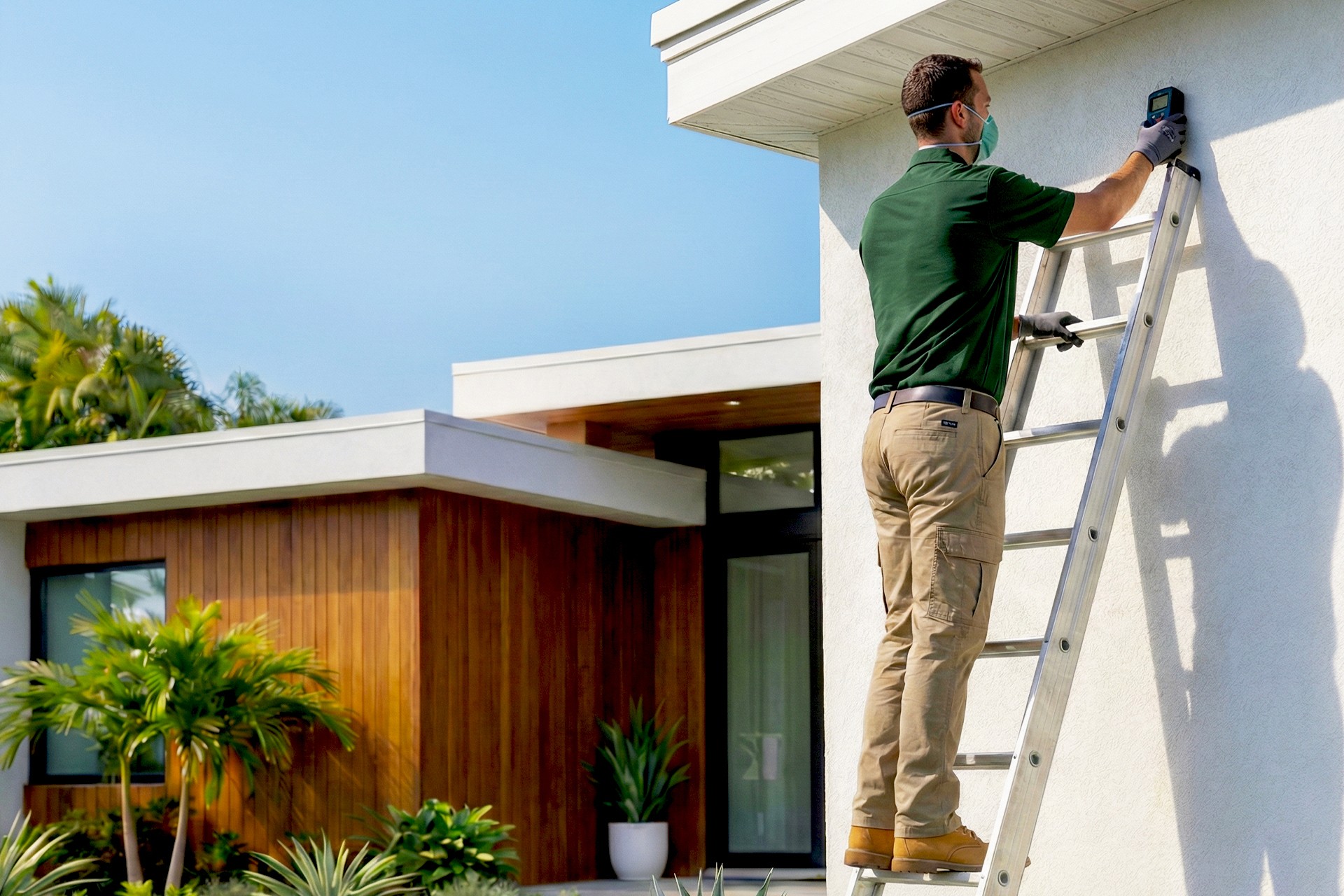
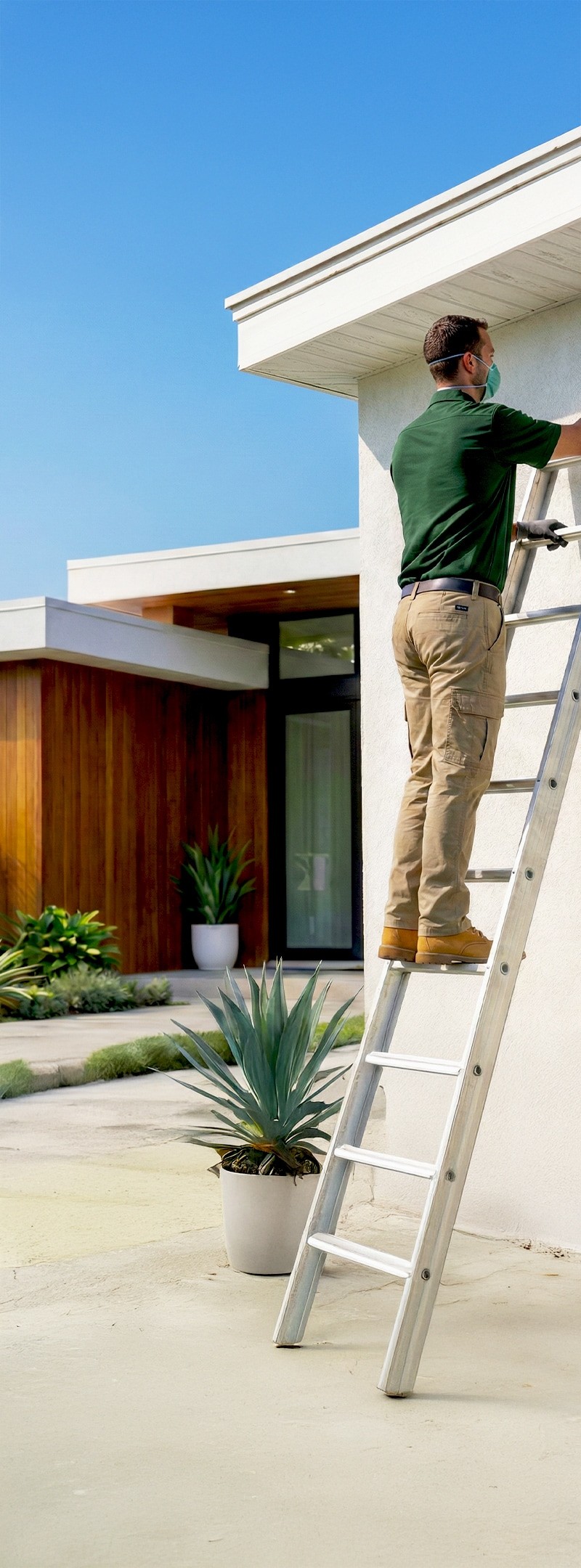
Regular mold inspections provide peace of mind for homeowners who are not physically present. Inspections identify elevated humidity, hidden moisture issues, and early mold activity before it causes serious damage.
For vacation homes and rental properties, routine inspections are a preventive measure that often cost far less than mold remediation after long periods of undetected growth.
Empty Homes Need Active Protection
Mold does not care if a home is lived in full time or only a few months a year. In Florida’s climate, inactivity creates opportunity.
An empty house is not a safe house unless moisture is actively controlled. Mold prevention in unoccupied homes requires attention, monitoring, and professional oversight. In Florida, it is not an optional extra. It is part of responsible property ownership.