In Florida, mold does not need much time. Warm temperatures, high humidity, and modern building materials create ideal conditions almost immediately after moisture appears.
In Tampa homes, mold growth is often measured in days, not weeks.
The 48–72 Hour Window
Once moisture enters a home, mold can begin growing fast.
Typical timeline in Florida conditions:
0–24 hours
Materials become damp, no visible growth yet
24–48 hours
Mold spores activate, early growth begins
48–72 hours
Colonies establish and start spreading
This window is critical. After three days, cleanup often turns into remediation.
Why Florida Speeds Everything Up
Florida’s climate accelerates mold growth compared to cooler or drier regions.
Key factors include:
Indoor humidity often above safe levels
Warm temperatures year round
Constant AC creating condensation
Poor drying after leaks or storms
Even small leaks that seem harmless can sustain enough moisture for mold to thrive.
Common Triggers in Tampa Homes
Most mold cases start with everyday issues, not disasters.
Frequent sources include:
Slow plumbing leaks
AC drain line backups
Roof leaks during storms
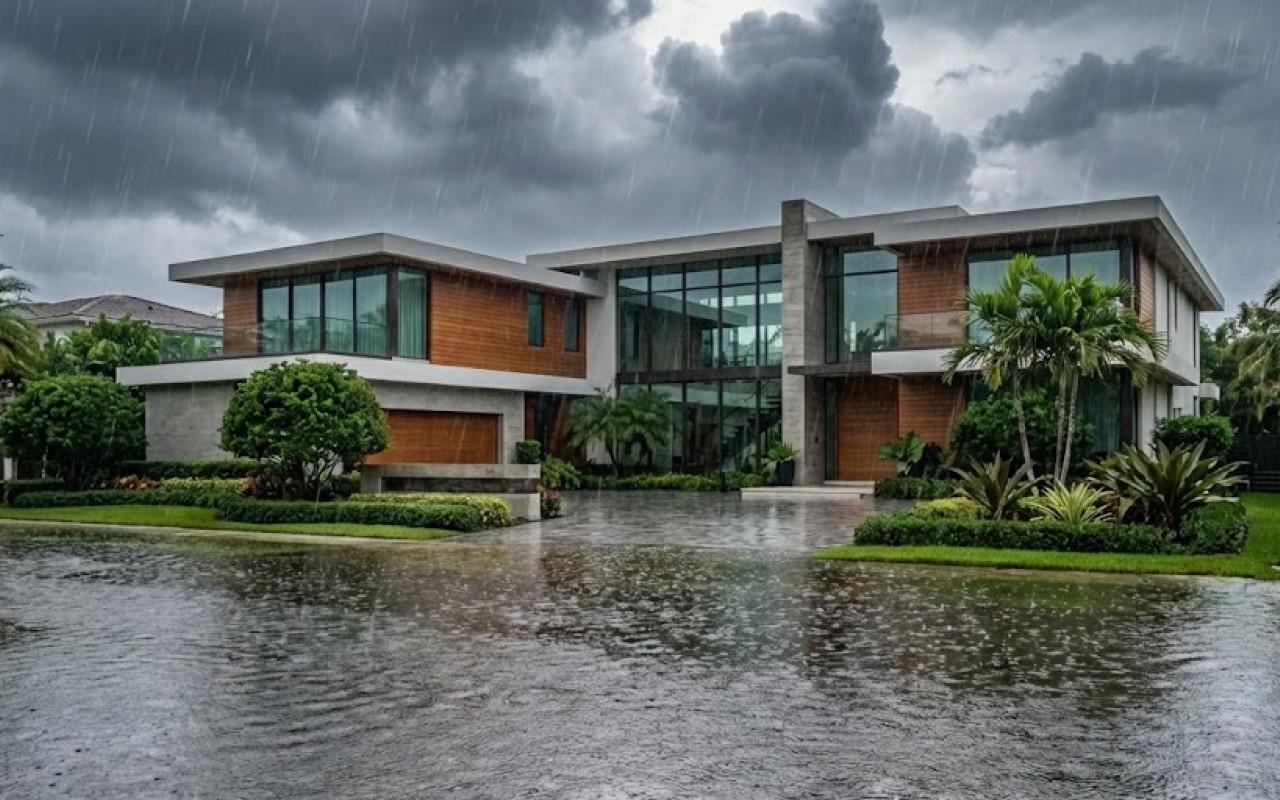
Flooding from heavy rain
Poor bathroom ventilation
Many of these go unnoticed until mold is already established.
Porous Materials Are the First to Fail
Mold grows fastest on materials that absorb moisture.
High risk materials include:
Drywall
Wood framing
Carpet and padding
Insulation
Once these materials stay damp for more than a couple of days, mold growth becomes likely.
Drying Is Not Always Enough
Surface drying can be misleading.
Moisture often remains:
Inside wall cavities
Beneath flooring
Behind cabinets
Inside HVAC systems
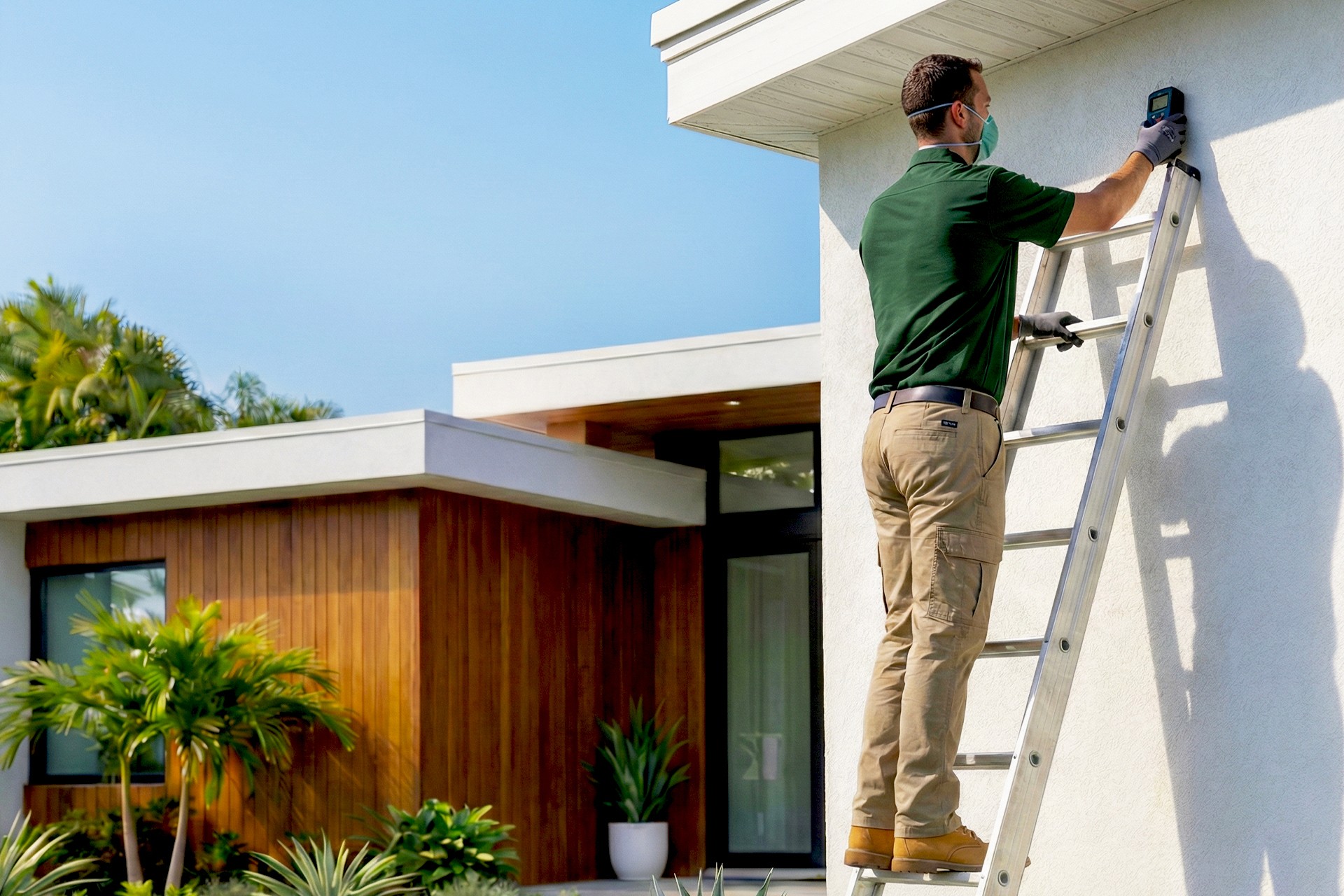
This is why professional inspections focus on moisture detection, not just visible damage.
Why Timing Matters
Early action can mean simple drying and monitoring. Delayed action often means removal, containment, and higher costs.
In Florida, the difference between a minor issue and a major mold problem is often one weekend.