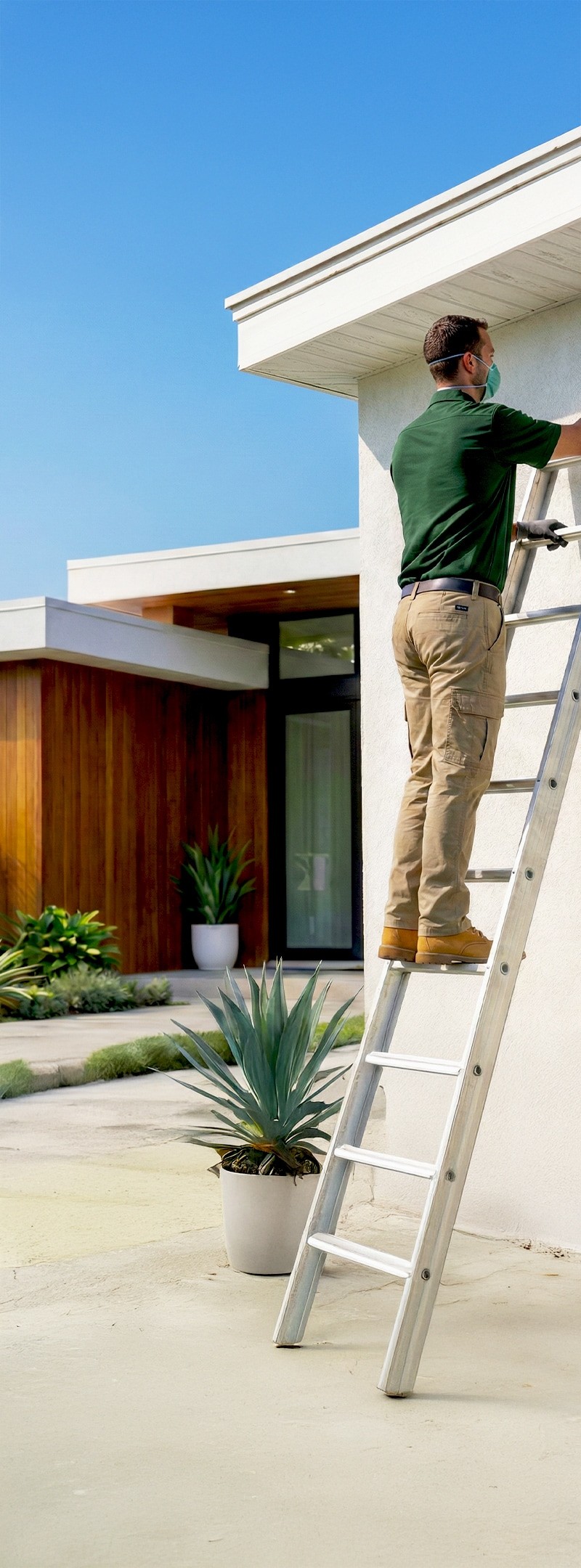

Mold inspections and mold remediation serve two very different purposes. When one company offers both, objectivity can disappear.
For homeowners, this distinction matters more than most people realize.
Two Roles, Two Goals
A mold inspection is about finding facts.
Mold remediation is about selling a solution.
When the same company handles both, the incentive structure changes.
What a Mold Inspector Does
An independent mold inspector focuses on assessment, not repair.
Typical responsibilities include:
Visual evaluation
Moisture mapping
Air and surface sampling
Lab analysis through third parties
Clear written reporting
The goal is accuracy, not scope.
What a Remediation Company Does
Remediation companies are hired to remove mold and repair damage.
Their work often involves:
Containment setup
Material removal
Cleaning and treatment
Reconstruction coordination
This work is necessary when mold is confirmed, but it is not neutral.
The Conflict of Interest Problem
When inspection and remediation are combined, the same company:
Diagnoses the problem
Defines the severity
Prices the solution
This creates pressure, even unintentionally, to overestimate findings.
Independent inspections remove that pressure entirely.
Why Independent Lab Testing Matters
Professional inspectors rely on third party laboratories.
This ensures:
Objective sample analysis
No on site result manipulation
Clear documentation
Defensible reports for real estate or legal use
Lab data provides evidence, not opinions.
Better Decisions Start With Neutral Information
Homeowners deserve to know:
If mold is present
Where it is located
How severe it actually is
Only then can remediation decisions be made confidently and proportionally.
How This Protects Homeowners
Separating inspection from remediation protects:
Your health
Your budget
Your property value
It also gives you control. You choose how to proceed, based on verified information.